
Does Working Out Help With Stress? The Missing Piece in Most Fitness Advice

If you’re exercising consistently and still gaining weight, sleeping poorly, and feeling stressed, the problem isn’t effort — it’s how your training interacts with your cortisol load. Here’s what the research says.
Cortisol and Weight Gain: Why Eating Well Isn’t Enough

If you’re eating reasonably well and still gaining weight — especially around your midsection — stress physiology may be the reason. Here’s what cortisol actually does to your body.
How Much Protein Do You Actually Need? (And Why It’s Probably More Than You Think)
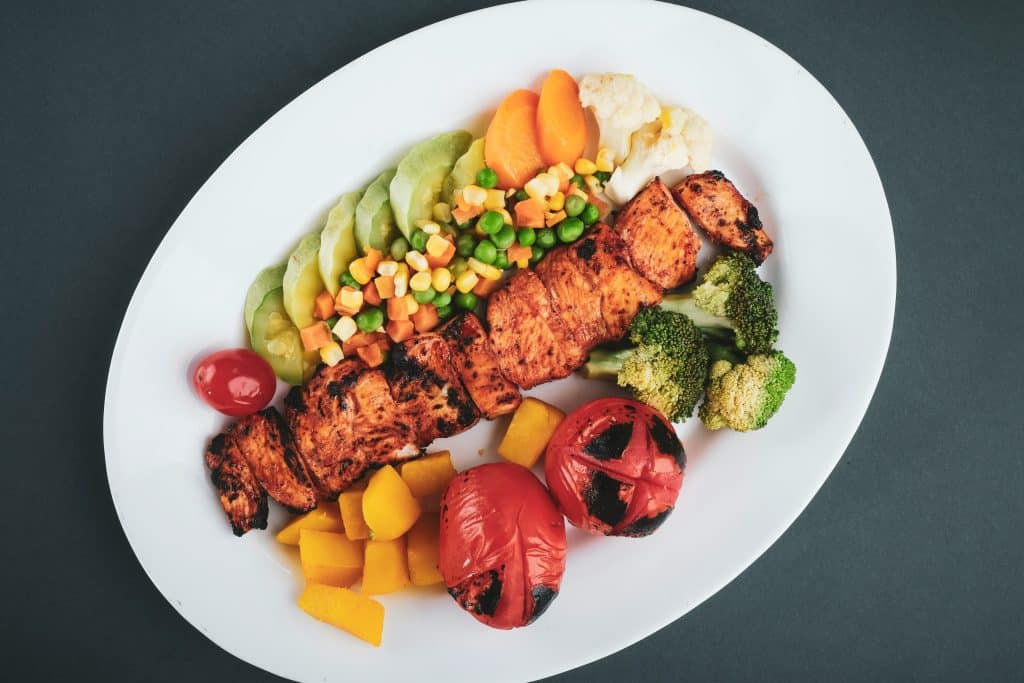
Most people eating “enough” protein are still under-fueled. Here’s what the research actually says about daily protein targets — and why it matters more than any other nutrition lever.
Concerned About GLP-1 Muscle Loss? How to Prevent Muscle Loss

GLP-1 medications are changing how millions of people approach weight loss. The muscle loss piece is the part most people don’t find out about until later.
Peptides and Performance: What Active Adults Need to Know Before Starting a Protocol

Peptide therapy has moved into mainstream wellness conversations. Here’s a grounded look at the main categories, what the research actually supports, and how to think about it as a support tool.
The Hidden Mental Health Crisis of Injury Recovery

I was in the best shape of my life when I tore my calf skiing. The tissue healed in months. The mental health crisis lasted a year. Here’s what no one tells you: injury recovery isn’t just physical, it’s watching your identity crumble while your nervous system runs patterns you can’t see alone.
Sleep Deprivation: 7 Hidden Performance Costs

Built your success on four-hour nights? Sleep deprivation isn’t discipline, it’s borrowed capacity destroying the exact performance you’re protecting. After one week of short sleep, your brain functions like you’ve been awake 24 hours straight. Here’s the neuroscience behind why you can’t feel the impairment and the regulation protocol that rebuilds capacity.
Increase Emotional Bandwidth: 7 Hidden Strategies Leaders Use

Run out of emotional bandwidth by 2 PM no matter how much you delegate? It’s not a time management problem. Your nervous system is stuck in survival mode, draining capacity faster than you can restore it. Here’s the neuroscience behind why and the 7 strategies that actually work.
Why Smart Leaders Get Stuck in Survival Mode

If you’re a senior leader who feels trapped in constant crisis mode despite your experience and expertise, you’re not alone. Discover why smart leaders get stuck in survival mode at work and how to shift from reactive to strategic leadership.
You’re Not Burned Out—You’re in Survival Mode

You’re not burned out—your nervous system is stuck in survival mode. That’s why rest doesn’t help, vacations don’t fix it, and you can’t seem to recover. Here’s the difference that changes everything.
Why You Can’t Decompress After Work (And How to Fix It)

Can’t decompress after work no matter what you try? It’s not a discipline problem. Your nervous system has learned that relaxation is a threat, keeping you activated long after you leave the office. Here’s the neuroscience behind why—and what actually works.
Why Self-Care Isn’t Enough (And What Actually Works Instead)

Sometimes self-care isn’t enough. Picture this: You’ve had another exhausting week, your shoulders are tight, your brain feels like mush, and you’re running on fumes. So you do what everyone tells you to do—you practice “self-care.” Maybe it’s a long bath with fancy salts, a face mask, some retail therapy, or a glass (okay, two glasses) of wine while binge-watching Netflix. And for a moment, it works—you feel better, relaxed, like you can handle whatever Monday throws at you. But then Monday actually arrives, and within hours, you’re right back where you started, counting down the days until your next “self-care” session. Here’s the uncomfortable truth: traditional self-care is like putting a bandage on a broken bone, treating symptoms instead of causes, and that’s exactly why it keeps you stuck in the stress cycle.